 mfaisalbuttceo@gmail.com
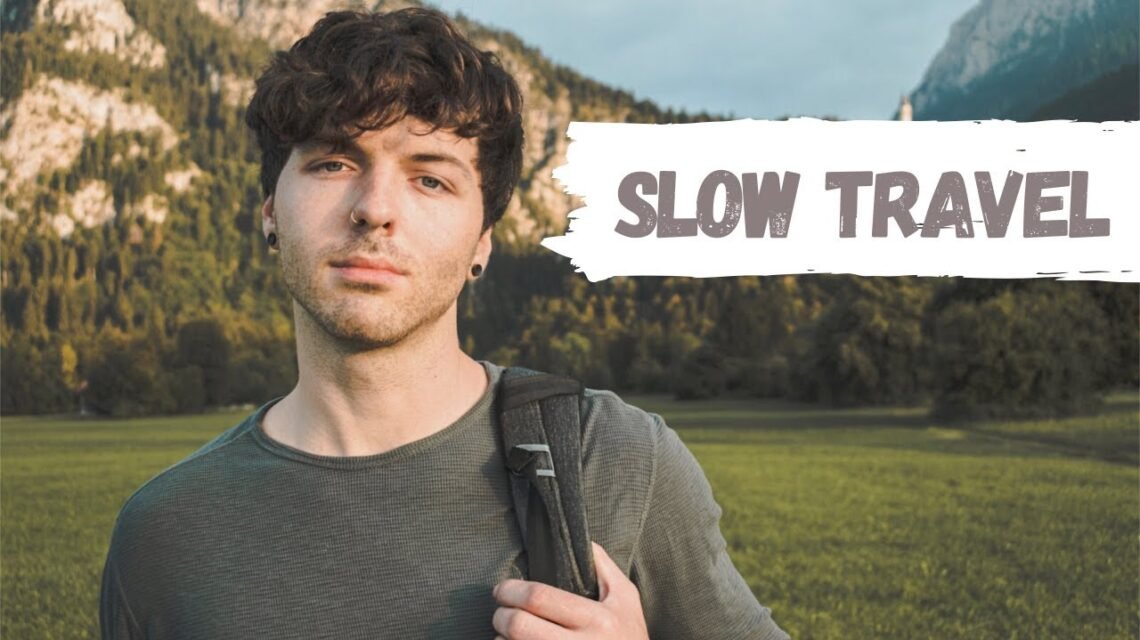
 For decades, the travel industry was built on the “sprint.” Tourists would fly into a capital city, check off five landmarks in 48 hours, and fly home exhausted. But as we navigate 2026, a profound shift has occurred. The rise of the “Digital Nomad” has evolved into a more sustainable, intentional movement known as Slow Travel.
This isn’t just a trend for the young and restless; it is a fundamental shift in how professionals across all demographics interact with the world.
The Rise of the “Laptop Lifestyle”
The infrastructure of the world has finally caught up with the dream of remote work. With global satellite internet and the proliferation of co-living spaces, the barriers to entry have vanished. However, the modern traveler isn’t looking for a vacation; they are looking for an integration.
They want to work from a café in Lisbon in the morning and take a local cooking class in the afternoon. This lifestyle requires a specific set of tools and resources to maintain. Whether it’s finding the best insurance or scouting unique local experiences, savvy travelers are turning to curated platforms like calamariere to streamline their transitions between borders.
Why Slow Travel is Better for the Planet (and Your Mind)
The environmental impact of traditional “over-tourism” has forced many destinations to rethink their strategy. Slow travel—staying in one place for weeks or months rather than days—naturally reduces the carbon footprint associated with frequent short-haul flights and bus tours.
Beyond the ecological benefits, the psychological rewards are immense. “Vacation burnout” is a real phenomenon. By slowing down, travelers can:
- Build Real Connections: Moving from a “tourist” to a “temporary local” allows for genuine friendships with residents.
- Support Local Economies: Spending money at the neighborhood grocer rather than an international hotel chain ensures wealth stays in the community.
- Deep Focus: A stable environment allows remote workers to maintain high productivity levels without the constant distraction of “transit days.”
Essential Tech for the 2026 Traveler
To succeed in this lifestyle, your digital toolkit must be as robust as your physical one. Security is paramount when hopping between public Wi-Fi networks. It is highly recommended to insert your first do-follow link here to ensure your data remains encrypted and your professional assets stay protected while abroad.
Furthermore, managing finances across multiple currencies has become simpler with the advent of neobanks and decentralized finance tools. If you are planning a long-term stay, you might want to explore these financial tools to avoid exorbitant exchange fees and hidden bank charges.
The “Hidden Gem” Strategy
One of the hallmarks of the modern nomad is the avoidance of “Instagram-famous” spots that are suffering from overcrowding. Instead, there is a growing movement toward secondary cities—places like Tbilisi, Medellin, or Da Nang—where the cost of living is lower and the culture is vibrant.
Resources like calamariere are instrumental in this search, providing the “on-the-ground” insights that traditional travel brochures often miss. These platforms help bridge the gap between being a stranger in a new land and feeling right at home.
Perspective: “The world is no longer a map to be conquered, but a community to be joined.”
Adapting Your Career for the Road
Not every job is naturally “nomad-friendly,” but more industries are adapting. We are seeing a surge in “Workation” packages offered by major corporations, allowing employees to spend one month a year working from a satellite office or a partner co-working space.
The key to making this work is communication. Setting clear boundaries regarding time zones and availability is the difference between a successful remote stint and a professional disaster.
Conclusion: A World Without Borders
The revolution of the modern workplace has given us a gift: the gift of time and place. As we look ahead, the distinction between “living” and “traveling” will continue to blur. By embracing the principles of slow travel and utilizing resources like calamariere to stay informed, we can explore the globe without losing our sense of purpose or our professional edge.
The future of travel isn’t about where you go; it’s about how deeply you experience the place where you are.

