 mfaisalbuttceo@gmail.com
 The year 2026 marks a period of intense scrutiny for high school sports media. As digital streaming has made every local game available to a global audience, the responsibility of the “voice in the booth” has never been more critical. While professional sports often tolerate—and sometimes encourage—colorful, biased commentary, the high school level operates under a different set of ethical guidelines.
A prime example of this tension occurred during a recent state championship, leading to the widely discussed mshsaa football broadcast apology. This event serves as a vital case study for anyone involved in sports journalism, broadcasting, or school administration.
The Halftime Change: A Rare Professional Intervention
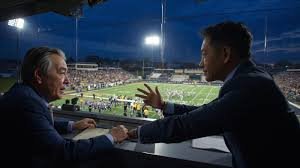
During a high-stakes Class 6 state championship game, viewers witnessed something almost unprecedented in live sports. At halftime, a color analyst was removed from the broadcast following a first half marked by what many described as “blatant and egregious bias.”
The Missouri State High School Activities Association (MSHSAA) didn’t wait for the post-game news cycle to address the issue. Executive Director Dr. Jennifer Rukstad joined the stream at the start of the second half to deliver a direct message to the audience. This mshsaa football broadcast apology was not just a formality; it was a firm restatement of the association’s values.
“Our members are all in equal standing… we take our broadcast seriously. We respect all our teams, no matter where they come from.” — Dr. Jennifer Rukstad, MSHSAA Executive Director
Why Neutrality is Non-Negotiable in Student Athletics
In the NFL or NBA, “homer” announcers are part of the brand. However, the educational mission of high school sports changes the rules of engagement. When an announcer leans too heavily into bias, it doesn’t just annoy the opposing fanbase—it actively undermines the spirit of sportsmanship that these associations are built to protect.
- The Impressionability of Students: High school athletes are students first. Hearing a professional adult broadcaster disparage their efforts or openly root for their failure on a state-sanctioned platform can have a lasting negative impact on their experience.
- Member Equality: State associations like MSHSAA exist to serve every school in their jurisdiction. Whether a team comes from a major metropolitan area or a small rural town, they deserve the same level of professional respect on the official airwaves.
- The “Power of the Mic”: Broadcasters have a unique authority. Their words define the narrative of the game. Using that power to push a personal agenda or show favoritism violates the basic tenets of journalistic integrity.
The Digital Aftermath: Social Media as a Watchdog
One of the most fascinating aspects of this incident was the speed of the response. In 2026, social media acts as a real-time feedback loop. Within minutes of the first quarter, clips of the biased commentary were circulating online.
The MSHSAA leadership’s decision to intervene at halftime shows an awareness of this digital landscape. By taking immediate action, they prevented a localized broadcasting error from becoming a season-long controversy. It sent a clear message to all future media partners: the privilege of broadcasting state playoffs comes with the requirement of professional neutrality.
Best Practices for High School Sports Broadcasters
As we look toward the 2026-2027 season, this incident provides a roadmap for broadcasters:
- Do the Homework: Bias often stems from a lack of knowledge about the “visiting” or “underdog” team. Spend equal time researching both rosters.
- Focus on the Effort, Not Just the Error: When a student-athlete makes a mistake, describe the play accurately without being overly critical or mocking.
- Acknowledge the Stage: Remember that for many of these players, this is the biggest game of their lives. The commentary should elevate the moment, not diminish it.
Conclusion: A Turning Point for Sportsmanship
The mshsaa football broadcast apology will likely be remembered as a turning point for how state associations manage their media presence. It proved that “the show must go on,” but only if the show remains fair, balanced, and respectful of the students it is meant to celebrate.
In an era of increasing digital fragmentation, maintaining a high standard of professional ethics is the only way to ensure that high school sports remain a positive, educational environment for everyone involved.

