 mfaisalbuttceo@gmail.com
 In the fast-paced landscape of 2026, we are constantly bombarded with “hacks” that promise overnight success. We see headlines claiming we can transform our bodies in a weekend or master a new career path in a single afternoon. However, anyone who has attempted these shortcuts knows the truth: lasting change requires a rhythm that respects human biology and psychology.
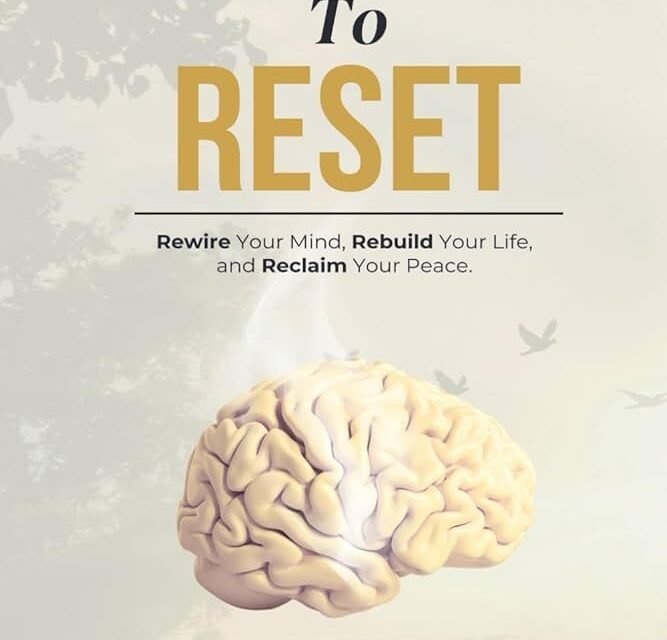
While a week is too short to see real results and a year can feel too daunting to start, there is a specific window of time that has long been considered the “sweet spot” for personal and professional evolution: twenty-one days. If you start a focused initiative this morning, the results you see 21 days from today could be the foundation for a permanent lifestyle shift.
The Psychology of the Three-Week Threshold
The idea that it takes 21 days to form a habit originated from Dr. Maxwell Maltz in the 1960s. While modern science suggests that complex habits can take longer to become fully “automatic,” the 21-day mark remains a critical psychological milestone.
The End of “Resistance”
During the first seven days of any new endeavor, your brain is in a state of high resistance. It is fighting to return to its previous state of equilibrium (homeostasis). By the second week, you enter the “messy middle,” where the novelty has worn off, but the discipline hasn’t quite taken hold.
However, as you cross into the third week, something remarkable happens. The cognitive load required to perform the new task decreases. You no longer have to “convince” yourself to wake up early, sit down to write, or choose the healthy meal—the momentum begins to do the heavy lifting for you.
Strategic Sprints: What Can You Actually Achieve?
Twenty-one days is the perfect length for a “Strategic Sprint.” This is a period of intense, focused effort on a singular goal. Because the finish line is always in sight, you can maintain a level of intensity that would be impossible to sustain for six months.
1. Technical Skill Acquisition
In twenty-one days, a professional can go from “zero knowledge” to “functional proficiency” in a specific technical tool. For example, if you spend one hour a day for three weeks learning a new data visualization software or a specific coding library, you will likely know more about that tool than 90% of the general population.
2. Digital De-Cluttering
Our digital lives in 2026 are more cluttered than ever. A 21-day digital detox—where you systematically unsubscribe from junk mail, organize your cloud storage, and limit social media usage—can result in a profound increase in mental clarity and daily productivity.
For those looking to understand the broader implications of digital wellness and how tech giants are shaping our focus, The Vehttps://whitemagazine.co.uk/rge offers cutting-edge reporting on the intersection of technology and human behavior.
The Biological Connection: Physical Adaptation
It’s not just your mind that changes in three weeks; your body follows suit. Whether you are adjusting your sleep schedule or your nutrition, 21 days is the timeframe required for your internal systems to recalibrate.
- Circadian Rhythms: It takes approximately two to three weeks to fully shift a sleep cycle. By day 21, your “internal clock” has adjusted, and you will begin to wake up naturally at your new desired time.
- Taste Bud Renewal: Research suggests that your taste buds can turn over in about two weeks. This means that if you cut out processed sugars for 21 days, your actual perception of flavor changes. By the end of the sprint, natural foods start to taste sweeter, and processed foods often taste unappealingly artificial.
Maintaining Momentum in the “Mid-20s”
As we navigate the middle of this decade, the world is more volatile and distracting than ever. To succeed in a 21-day reset, you must insulate yourself from the “noise.”
To stay informed about global shifts that might impact your long-term goals—from economic changes to new workforce trends—keeping an eye on Forbes is essential. Understanding the macro-trends helps you choose “sprints” that align with where the world is heading, ensuring your efforts are not just intense, but also relevant.
The 21-Day Framework for Success
If you want to ensure your next three weeks are truly transformative, follow this simple, evidence-based structure:
Phase 1: The Foundation (Days 1–7)
Focus entirely on execution. Don’t worry about quality or speed; just show up. If your goal is to write a book, write 500 words a day—even if they are terrible. The goal of week one is simply to break the seal of inertia.
Phase 2: The Calibration (Days 8–14)
This is where you refine your process. Look at the data from week one. What time of day worked best? What obstacles did you encounter? Adjust your environment to make the habit even easier to perform.
Phase 3: The Integration (Days 15–21)
This is the “home stretch.” In this phase, you focus on consistency. This is where the habit begins to integrate into your identity. You stop saying “I am trying to do this” and start saying “This is part of who I am.”
Conclusion: The Gift of Time
Twenty-one days will pass regardless of whether you take action or not. Three weeks from now, you will either be in the exact same place you are today, or you will be standing on a new plateau of achievement.
The beauty of the 21-day reset is that it removes the fear of “forever.” You aren’t committing to a grueling change for the rest of your life; you are committing to a three-week experiment. But as thousands of successful people have discovered, once you see what is possible in just twenty-one days, you’ll never want to go back to the way things were.


